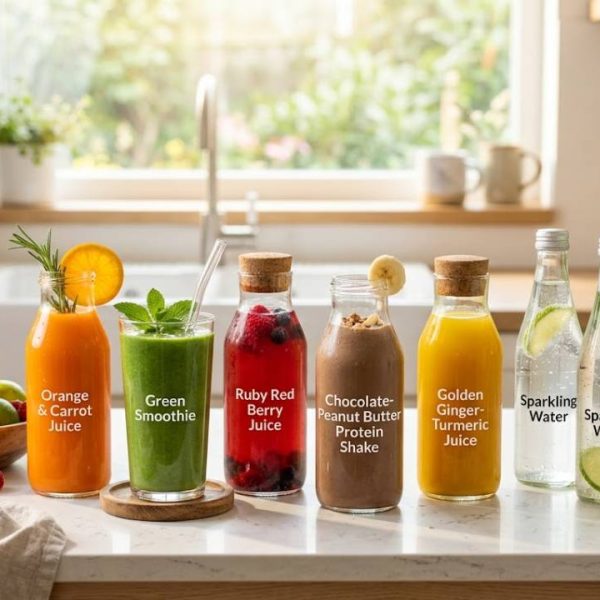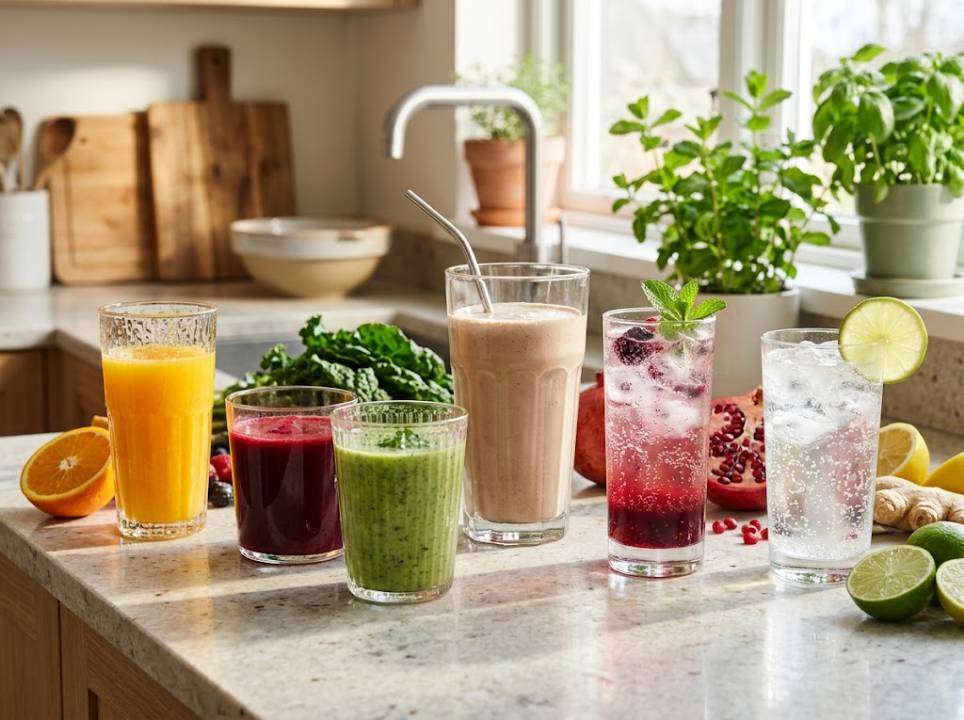
Walk down the drinks aisle and the choice is dizzying. Fruit juices, protein shakes, sparkling soft drinks and energy drinks all promise something different: refreshment, fuel, recovery or a treat. Prices vary, labels are crowded, and health claims appear everywhere.
This guide offers a practical, general way to compare drinks so you can enjoy what you like while making informed choices. It is general information, not personal dietary advice.
Start with the simplest drink of all
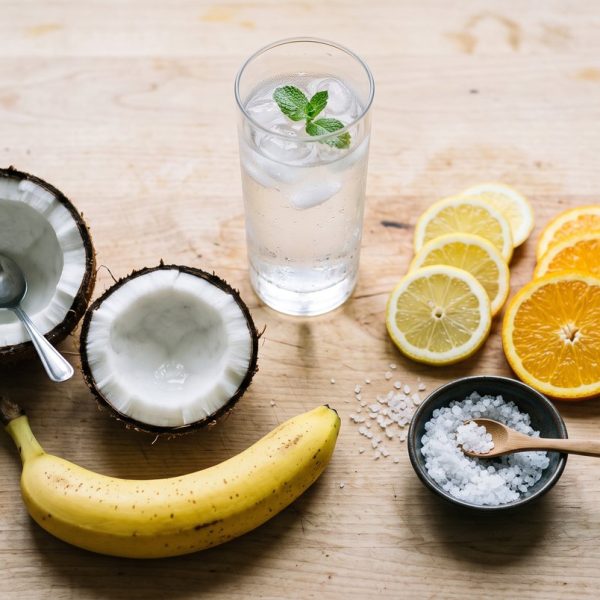
Water remains the easiest baseline. It has no sugar, no calories and no caffeine, and it can be flavoured at home with slices of lemon, cucumber, mint or berries.
Think of other drinks as additions rather than replacements. When you see them that way, it becomes easier to decide when a juice or shake really adds something to your day.
The best drink is the one that fits the moment, whether that is hydration, energy, a snack or a small pleasure.
Read the label from the bottom up
Start with the nutrition table and the ingredients list. Look at sugar per serving and per bottle, which are often very different numbers. A bottle labelled as two servings is easy to finish alone.
Check the ingredient order. Ingredients are listed by weight, so a drink that begins with water, juice or milk differs from one that begins with sweeteners and flavourings.
Public health bodies such as the NHS Eat Well guidance explain how to read labels and what the colour codes on packaging mean.
Fruit juice, what to know
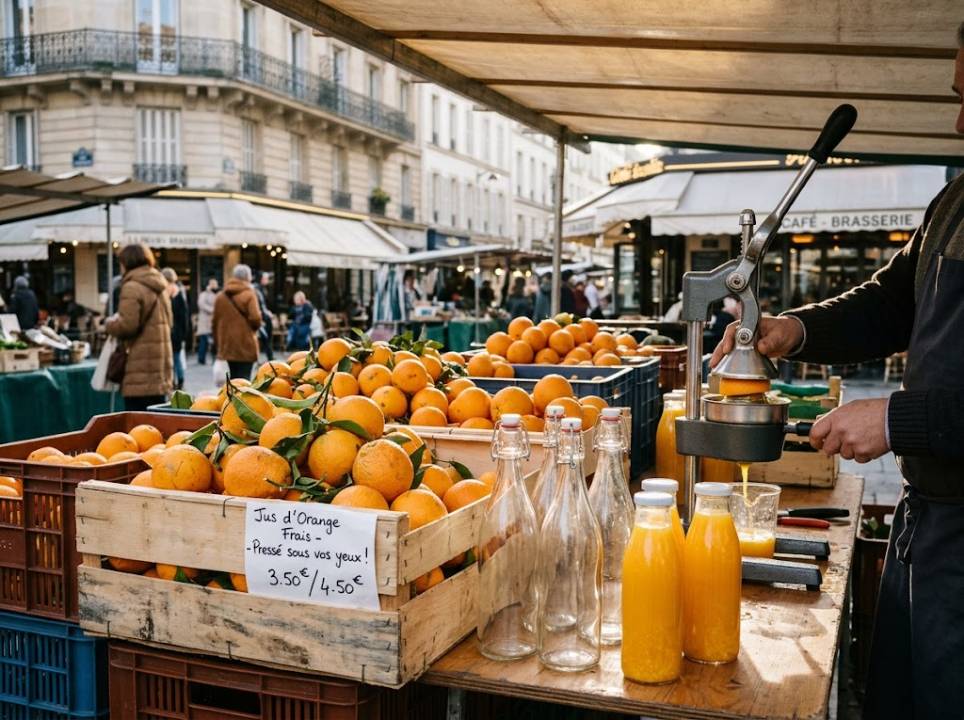
Fruit juice contains vitamins, but it also contains natural sugars, and without the fibre of whole fruit it is easy to drink a lot quickly. Small glasses and dilution with water make it more balanced.
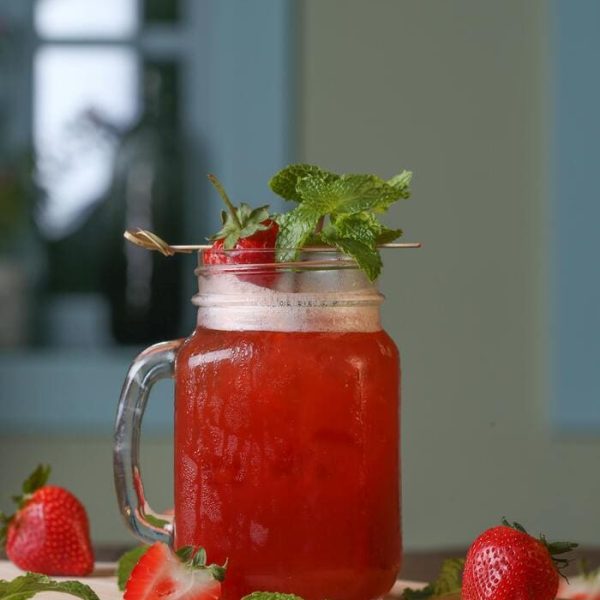
Look for juice that is pressed from fruit rather than made from concentrate with added sugar. Smoothies can be a good option when they include whole fruit and vegetables, but they are still calorie-rich.
Protein drinks and shakes
Protein shakes are popular with people who train or want a convenient snack. Check how much protein a serving contains, how much sugar is added and whether the ingredients are easy to recognise.
Most people get enough protein from ordinary meals, so a shake is a convenience rather than a necessity. If you are unsure about your own needs, a qualified professional can advise you.
Soft drinks and sparkling options
Classic sodas are high in sugar, while diet versions use sweeteners instead. Sparkling water with a splash of juice, or unsweetened fizzy drinks with natural flavours, can satisfy the craving for bubbles with less sugar.
Keep soft drinks as an occasional treat, served in smaller glasses or cans.
Energy drinks and caffeine
Energy drinks combine caffeine, sugar or sweeteners and other additives. Labels often warn that they are not suitable for children, pregnant women and people sensitive to caffeine.
Remember that coffee, tea and cola also contain caffeine. Count all sources across the day, and avoid drinking caffeine late in the evening if you want to sleep well.
Reading the caffeine content per serving is as important as reading the sugar content.
Think about the whole day
A single drink matters less than your overall pattern. A sweet drink with lunch is easy to balance with water and unsweetened drinks at other times.
Plan simple swaps: smaller sizes, half-and-half mixes with water, or unsweetened tea over ice for a long afternoon.
Shopping across borders and online
Many drinks are now sold internationally, and labels, ingredient lists and warnings must be understood in each market. A beverage brand entering the Netherlands, for example, benefits from professional Dutch translation services for packaging, product pages and compliance texts.
Clear language builds trust. This article on why consumers buy in their native language shows how good translation supports sales.
Drinks for different occasions
Match the drink to the occasion. A cold sparkling drink suits a barbecue, a warm tea suits a quiet evening, and a protein shake can fit after a workout when you are not near a meal.
For social events, offer interesting alternatives such as sparkling water with fruit, iced herbal tea or homemade lemonade. Guests often appreciate having options.
Storage and freshness
Fresh juices and ready-to-drink shakes should be kept cold and finished within the time stated after opening. Check the date on the pack and store bottles away from direct sunlight, which can spoil flavour.
Hydration through the day
Spread your drinks across the day rather than waiting until you feel thirsty. Keep a glass beside you at work, and have a drink with each meal.
Pale yellow urine is a simple everyday sign that you are drinking enough, while very dark colour may suggest you need more fluids.
Make better choices a habit
Carry a refillable bottle, keep a favourite flavoured tea at home and save sweet drinks for moments you will truly enjoy. Small changes repeated every day matter more than strict rules you cannot keep.
Finally, remember that taste matters. A drink you enjoy slowly is usually more satisfying than one you gulp down.