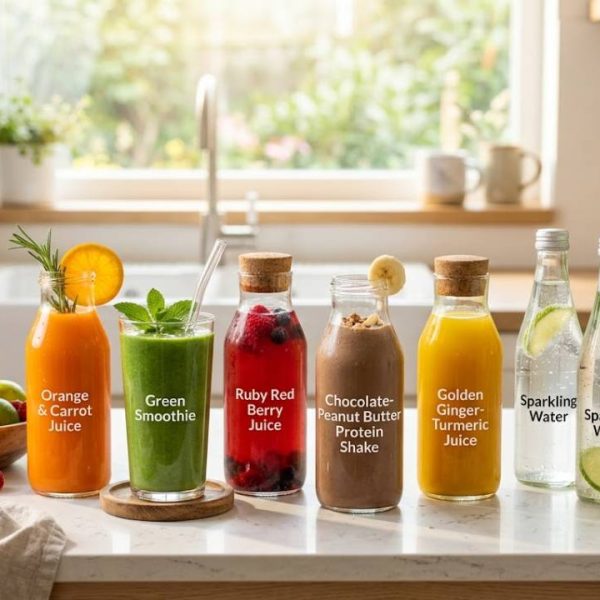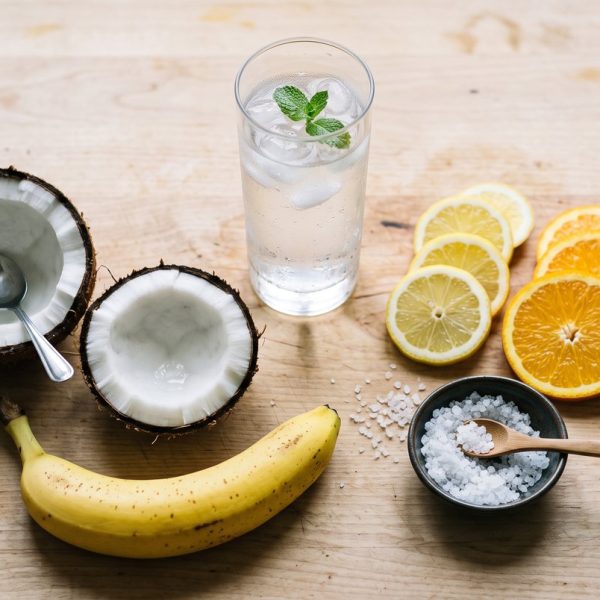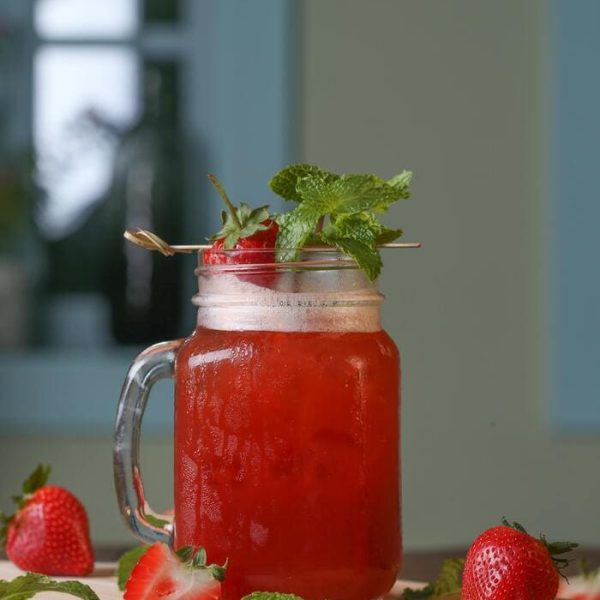
Consumers are rethinking what they drink, searching for options that are light, low in sugar, packed with functional benefits, and still full of flavor. From sparkling botanicals to probiotic sodas and adaptogenic teas, a vibrant wave of beverages is reshaping fridges and café menus everywhere. This shift isn’t just about keeping up with trends; it’s about feeling better, supporting overall wellness, and enjoying drinks that fit seamlessly into busy, health‑conscious lifestyles.
1. Sparkling Water 2.0: Flavor Without the Guilt
Plain sparkling water has evolved into a major category of flavored, fizzy drinks that skip artificial sweeteners and heavy sugars. Brands are focusing on natural fruit extracts, subtle botanicals, and zero‑calorie formulas that deliver satisfaction without compromising hydration or health goals.
These drinks are ideal for people cutting back on soda but who still crave the sensory experience of carbonation. Look for varieties that are unsweetened, or lightly sweetened with natural alternatives like a dash of fruit juice. They pair well with meals, help curb cravings for sugary soft drinks, and can easily be dressed up with fresh citrus or herbs for a quick, at‑home mocktail.
2. Low‑Sugar Iced Teas With Functional Benefits
Iced tea has long been a staple, but the latest offerings go far beyond basic black tea with added sugar. Modern versions highlight green, white, and herbal teas blended with ingredients such as hibiscus, ginger, lemongrass, or mint. Many are lightly sweetened with honey, monk fruit, or stevia, or contain no added sugar at all.
Tea‑based drinks are rich in antioxidants like catechins and polyphenols, which support heart health and may help reduce oxidative stress. Whether you reach for a bottled unsweetened green tea or a craft brewed oolong with just a hint of sweetness, these beverages offer a refreshing way to stay hydrated while gaining subtle wellness perks.
3. Probiotic Sodas and Fermented Fizz
Gut health is a major wellness focus, and drinks have followed suit. Probiotic sodas, kombucha, and other fermented beverages deliver live cultures that may support a balanced microbiome. Unlike traditional soda, these beverages often feature a tangy profile, lower sugar content, and ingredient lists that prioritize teas, herbs, and natural flavors.
For cafés, restaurants, and small brands offering these specialized drinks, managing receipts and invoices efficiently is crucial as demand grows. Digital tools like an online invoice pdf generator can streamline billing, batch orders, and wholesale accounts, so owners can focus more on product development and less on paperwork.
4. Plant‑Powered Functional Tonics
Functional tonics are formulated around specific wellness goals: focus, calm, immunity, or energy. These beverages typically feature herbs, roots, and botanicals like turmeric, ginger, ashwagandha, ginseng, elderberry, or echinacea. Some contain small amounts of natural caffeine from sources like yerba mate or green tea, while others are completely caffeine‑free.
What sets these drinks apart is their intent. Instead of simply quenching thirst, they’re designed to fit into self‑care routines: a calming tonic after a long day, a focus blend for deep work, or an immune‑supporting formula during seasonal changes. When choosing functional drinks, pay attention to sugar levels and ingredient transparency, and look for brands that clearly label active botanical amounts.
5. Cold‑Pressed Juices and Juice‑Infused Blends
Cold‑pressed juices use gentle extraction methods to preserve vitamins and phytonutrients from fruits and vegetables. While 100% juice can be high in natural sugar, modern options often balance the sweetness of fruit with nutrient‑dense greens, herbs, and lower‑sugar ingredients like cucumber or celery.
Newer juice‑infused drinks also mix juice with sparkling water or tea to cut sugar while keeping bold flavor. This hybrid style is especially appealing for people who enjoy the taste of juice but want something lighter and more refreshing. When shopping, opt for blends that include vegetables, have no added sugar, and clearly list all ingredients on the label.
6. Dairy‑Free and Protein‑Rich Sippers
Plant‑based milks and protein drinks have quickly moved into the mainstream. Oat, almond, soy, and pea‑based beverages are often fortified with calcium, vitamin D, and B12, making them a compelling alternative to traditional dairy. Many newer options prioritize short, recognizable ingredient lists and avoid excessive thickeners or artificial flavors.
For people looking to support fitness goals or stay full between meals, ready‑to‑drink protein shakes and smoothies offer a convenient solution. When evaluating these products, check for added sugars, total protein content, and whether they use complete protein sources. Combined with low‑sugar flavoring and real cocoa or fruit, they can be satisfying, dessert‑like drinks that align with health‑conscious routines.
7. Alcohol‑Free Mocktails and Social Sippers
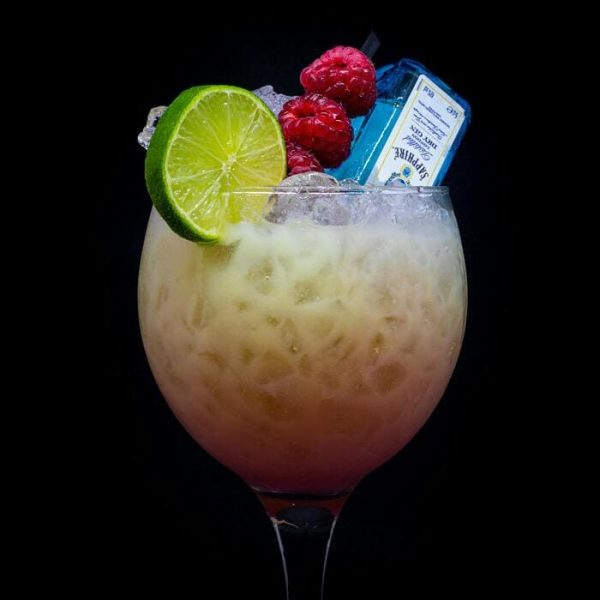
Another major shift is happening in social drinking. Alcohol‑free cocktails, botanical spritzers, and “zero‑proof” spirits are giving people a way to enjoy the ritual of a drink without the drawbacks of alcohol. These beverages often feature layers of flavor from citrus, bitters, herbs, and spices, delivering a sophisticated experience in a low‑ or no‑calorie form.
Whether enjoyed at home or at a bar specializing in alcohol‑free offerings, these drinks reflect a broader trend: people want to feel included in social experiences without compromising sleep, energy, or long‑term health. They also make it easier to stay hydrated and clear‑headed, all while keeping the celebratory atmosphere intact.
Finding Your Perfect Refreshing Drink
Exploring this new landscape of better‑for‑you beverages starts with understanding your own goals. Are you trying to cut sugar, support gut health, boost focus, or simply stay hydrated in more interesting ways? Once you know what matters most, you can mix and match categories—sparkling water during the workday, a probiotic soda with lunch, a calming herbal tonic in the evening—to build a lineup that supports your lifestyle.
The key is to read labels carefully, favor brands that are transparent about their ingredients, and prioritize drinks that work with your body rather than against it. As more people opt for lighter, more functional beverages, the variety and quality will only keep improving, making it easier than ever to enjoy something that’s both refreshing and aligned with long‑term wellness.