Turn on almost any foreign film or animated series and you face a small decision: read the subtitles, or listen to actors speaking your own language over the original performance. That second option is dubbing, and it is a far bigger, stranger craft than most viewers realise. If you have ever searched for the dubbing meaning behind those perfectly matched voices, the short version is that dubbing replaces the original dialogue of a film or video with a new recording in another language. The long version is much more interesting.
What dubbing actually means
Dubbing is the process of re-recording spoken dialogue in a language other than the one the actors originally used, then syncing it to their lip movements and timing. The aim is to make it feel as though the people on screen were speaking your language all along. It goes well beyond translation. A translator gives you the words, but a dubbing team has to make those words fit the same number of syllables, the same mouth shapes and the same emotional beats as the original. Get it wrong and the whole illusion collapses into something faintly comical.
How the process works, step by step
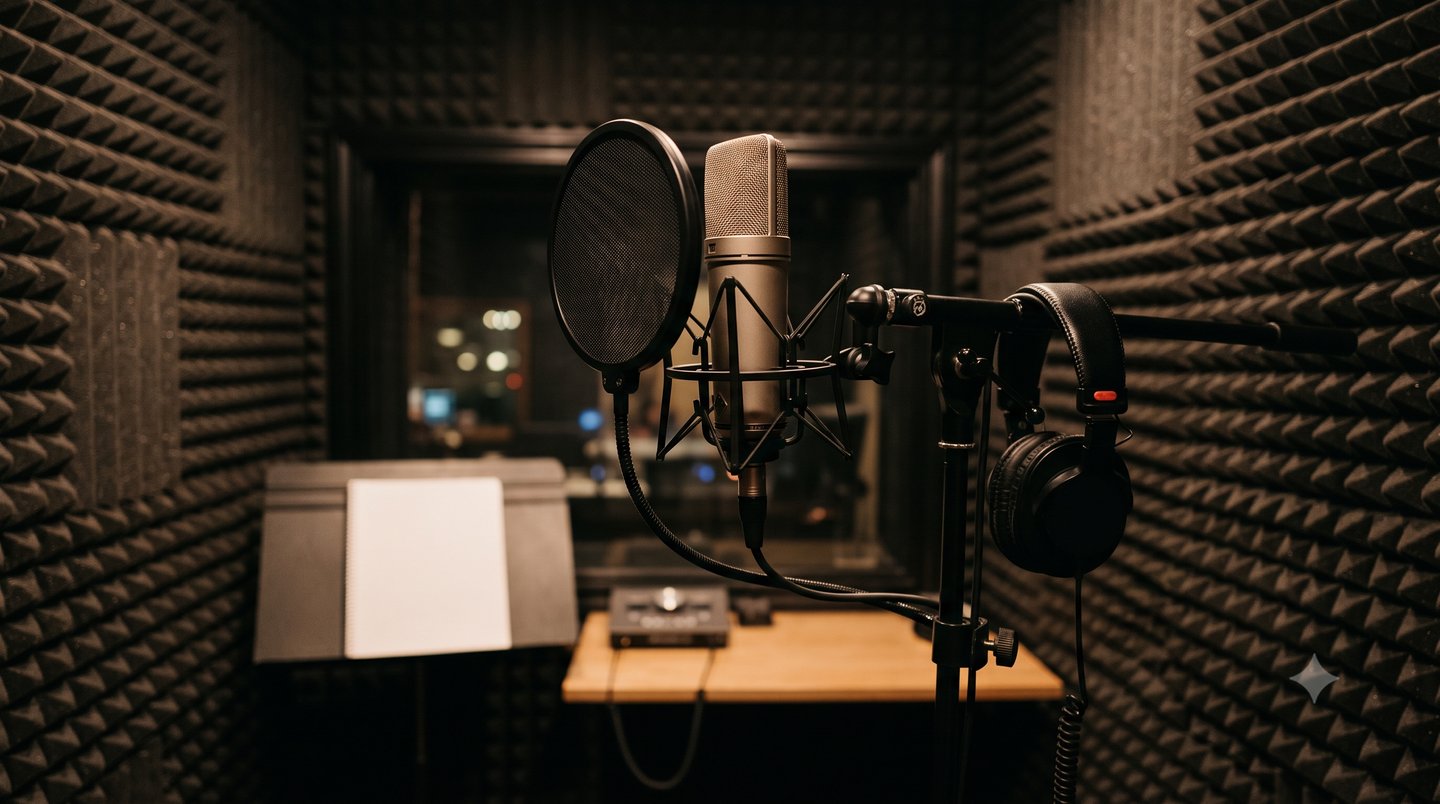
It usually starts with a script adaptation, where translators rewrite the dialogue so it matches the timing and lip movements rather than translating word for word. Then voice actors, often chosen to echo the tone of the original performers, record their lines in a studio while watching the footage. Sound engineers align each line to the picture, adjust the delivery and blend the new voices with the original music and effects. The final mix is checked frame by frame, because even a slight gap between a voice and a moving mouth is something audiences notice instantly, even if they cannot say why.
Dubbing and subtitles are not really rivals
People often frame this as a battle, and viewers still argue about whether foreign films are better subbed or dubbed. The honest answer is that each has its place. Subtitles preserve the original performance and are cheaper and quicker to produce, but they ask you to read while you watch. Dubbing lets you keep your eyes on the action and works far better for young children, for animation and for anyone who finds constant reading tiring. Most streaming platforms now offer both and let you choose, which is probably the fairest outcome of all.
Why good dubbing is so hard
The difficulty is not only linguistic. A joke that lands in Japanese may need a completely different setup to work in English while still fitting the same three seconds of screen time. Cultural references have to be reshaped so they make sense to a new audience. And the voice actor has to act, not just read, matching the anger, grief or comic timing of a performer they can see but never hear in their own language. This is why professional dubbing services treat the work as a creative discipline rather than a technical chore, and why new tools are starting to reshape it. There is a useful overview of that shift in this look at AI dubbing in video production.
A quiet art you only notice when it fails
Great dubbing is invisible. When it works, you forget you are watching a translated performance at all. The Wikipedia entry on dubbing traces how different countries built entire industries around it, some preferring it almost universally while others lean on subtitles. Film fans trade strong opinions about the best and worst examples in communities like r/movies on Reddit, where a single badly matched voice can become a running joke for years.
Where you meet dubbing without noticing
Dubbing is not just for blockbusters. It quietly powers a huge amount of what people watch every day. Animated films rely on it entirely, since the characters have no original spoken performance to preserve. Streaming services dub hit series into dozens of languages so a show made in one country can top the charts in another within weeks. Video games, corporate training videos, documentaries and children's cartoons all lean on it too. Once you start listening for it, you realise how much of the screen time in your life has been quietly revoiced by someone in a booth on the other side of the world.
Different countries, different habits
How a country treats dubbing often comes down to history and cost. Places with large populations and big media markets, such as Germany, Italy, France and Spain, built strong dubbing traditions decades ago, and audiences there expect it as standard. Smaller markets frequently rely on subtitles instead, which is part of why viewers in those countries often pick up foreign languages more easily. Neither habit is right or wrong. They simply reflect different answers to the same question of how best to let a story cross a border.
More than a translation
Dubbing sits at the crossroads of language, performance and technology. It is what lets a Korean thriller, a Japanese cartoon or a Spanish drama travel the world and still feel local wherever it lands. The next time a foreign film feels effortless in your own language, it is worth remembering that a whole team of writers, actors and engineers worked hard to make you forget they were ever there.