Walk into any supermarket and the shelf that used to hold plain bottled water now carries a wall of colourful sachets, tablets and ready-to-drink bottles. Electrolyte drinks have gone from a niche corner of the sports aisle to a mainstream wellness habit, and plenty of people now reach for one out of routine rather than need. So what do these drinks actually do, and when does one genuinely help rather than just add flavour and cost to your day?
What electrolytes really are
Electrolytes are minerals that carry a small electrical charge when they dissolve in water. The main ones are sodium, potassium, magnesium, calcium and chloride, and your body relies on them for muscle contraction, nerve signals and keeping the right amount of fluid inside and outside your cells. You lose them mostly through sweat and urine, which is why heavy exercise, hot weather or a bout of illness can leave you short. If you want the full biochemistry, the overview of electrolytes is a solid place to start.
The key thing to understand is that hydration is not only about water. Drinking litres of plain water while sweating heavily can actually dilute the sodium in your blood, which is uncomfortable and, in rare cases, dangerous. That balance, and the question of how much water you actually need, is exactly what an electrolyte drink is designed to protect.
When an electrolyte drink earns its place
For a normal day at a desk, a balanced diet and ordinary tap water cover your needs comfortably. The picture changes when you sweat a lot or lose fluid quickly. A long run in summer heat, a hard gym session, a physical job outdoors or a stomach bug all tip the balance, and that is when electrolyte drinks stop being a lifestyle choice and start doing real work.
Endurance athletes have understood this for decades. If you train for more than an hour, especially at a steady effort like zone 2 cardio, replacing sodium and potassium helps you keep going and recover faster afterwards. Recovery from illness is the other clear case. Oral rehydration solutions, which are essentially carefully measured electrolyte drinks, are one of the most effective public health tools we have for dehydration.
Reading the label without the marketing
Not all drinks with electrolytes are built the same. Some are formulated for serious sweat loss and carry a meaningful dose of sodium. Others contain a token sprinkle of minerals and a lot of sugar, and they sit closer to a soft drink than a functional beverage. Turn the bottle around and look at the sodium figure first, because sodium is the electrolyte you lose in the largest amounts through sweat.
Sugar is the second thing to check. A little sugar can help your body absorb sodium and water more efficiently, which is why sports drinks include some. Large amounts, though, turn a recovery drink into a dessert. If you are reaching for electrolytes as part of a healthier routine, a low-sugar or sugar-free option usually makes more sense than the neon classics.
Product claims also travel across borders, and the wording on a label carries real weight when it touches health. Brands selling into several countries often work with specialists in medical document translation so that ingredient information and safety guidance stay accurate in every language rather than being lost in a rushed rewrite.
Electrolyte drinks moved from clinical use to everyday shelf staple in about a decade, largely on the strength of framing rather than new evidence. That trajectory is a textbook case in consumer trends, where a category grows by redefining who counts as its customer. Expanding the audience beats improving the product.
Consumer health products expand into new markets on the assumption that disposable income is rising, which is exactly what headline growth figures suggest. The distribution matters more than the average. Looking at ethiopia gdp per capita alongside the aggregate tells a considerably more cautious story.
Natural electrolytes and the homemade option
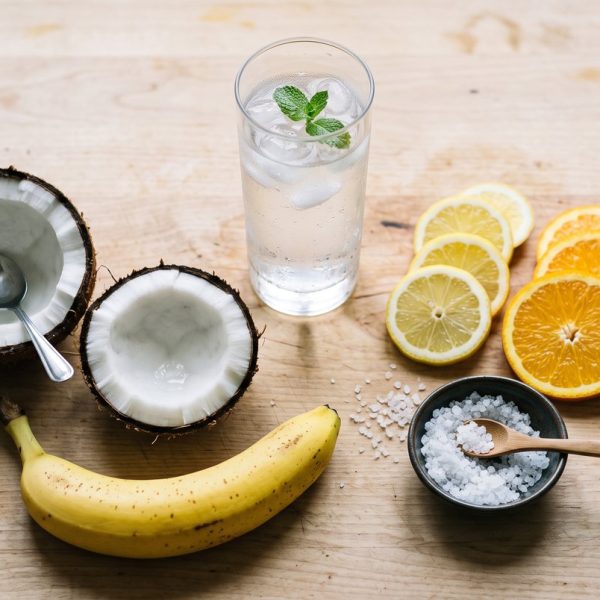
You do not always need a branded product. Plenty of natural electrolytes come from ordinary food and drink. Coconut water carries potassium, a pinch of salt in water restores sodium, and a banana or a handful of nuts tops up potassium and magnesium after a workout. Milk, surprisingly, is one of the better recovery drinks going, since it delivers electrolytes alongside protein and carbohydrate.
Making your own is genuinely simple. A litre of water, a small pinch of salt, a squeeze of citrus and a little honey or sugar gives you a functional drink for pennies. It will not look as exciting as the shelf products, but the science behind it is exactly the same, and you control precisely what goes in.
So do you need one?
For most people, most of the time, the honest answer is no. Water and a normal diet handle everyday hydration perfectly well, and reaching for electrolyte drinks by default mainly benefits the companies selling them. Save them for the moments that call for them, which means long or intense exercise, hot and humid conditions, physical outdoor work and recovery from illness.
Used that way, electrolyte drinks are a genuinely useful tool rather than a daily habit. Match the drink to the situation, read past the marketing on the label, and remember that hydration is about balance, not volume. Your body is very good at telling you what it needs, and thirst, the colour of your urine and how you feel after exertion are still the most reliable signals you have.