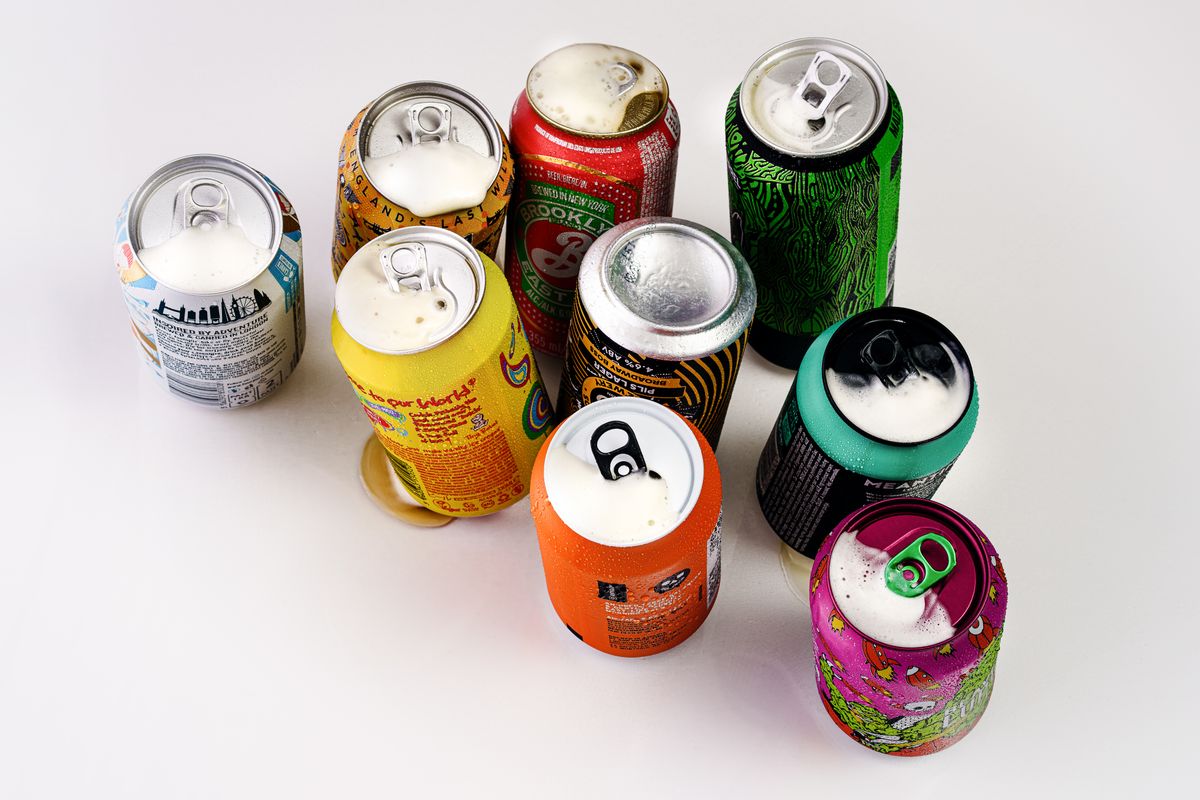
A small craft soda maker in Leeds signs its first export deal with a distributor in Gdansk. The bottles are ready and the flavours are a hit at home. Then the importer sends a list of questions about the label. Where are the allergens and who is the importer of record and why does the English ingredient list use words the Polish shop owners do not know. A pallet waits at the dock while the founder searches for someone to rewrite the text.
Drinks travel well and the demand for new tastes keeps growing across Europe. Cold brew and electrolyte water and craft tonic and low sugar sodas all find fans in new countries. Poland has a large retail market with a taste for premium products. Romania is a younger market where modern shops and online delivery are growing quickly. Both are attractive for brands that want to leave a crowded home market.
Yet every bottle is also a legal document. The label tells the buyer what is inside and how to store it and who stands behind it. National rules decide which language must appear and how big the letters must be. A mistake can lead to a stop at the border or to a recall after the first shipment.
Many small brands think the label is only a design question. They pick a font and a colour and a short slogan. The translation of the ingredient list and the warnings comes last and often goes to a friend or to a free tool. That habit is a gamble with the whole first order.
This article explains how drinks brands can prepare their texts for Poland and Romania. It covers labels and websites and distributor emails and what to check before you print. It is written for small makers and for marketing teams at larger brands.
Begin With the Texts a Buyer Must Read
List every piece of writing that travels with the product. The label comes first and then the carton and the leaflet and the product page and the price list. Add the allergy notice and the storage advice and the contact details of the importer. A professional team offering Czech translation services and other Central European languages can look at the whole set so that the same words appear on every surface when you later add neighbouring markets such as Czechia.
Rank the texts by risk. Allergens and health warnings and legal names of ingredients must be exact. Slogans and stories can be adapted with more freedom. This order saves money and protects the shipment. It also lets the translator keep the same term for each ingredient across the label and the website. Keep a copy of every approved line so that the next flavour starts from tested wording and not from a blank page. That habit saves days when the range grows.
Polish and Romanian Need Different Care
Polish translation services for drinks must handle long compound words and grammar that changes with the case. A flavour name that sounds fresh in English can sound odd or even rude in Polish. A good translator checks the name and suggests a safer choice before the artwork goes to print. Numbers and units also need care because the decimal comma replaces the decimal point.
The Romanian language looks familiar to anyone who speaks Italian or Spanish and that makes it easy to underestimate. It has its own forms and its own special letters that can break in print files. Ask your designer to test the Romanian language text in the final font before approving the proof. Good polish translation services and a careful Romanian language review keep your bottles on the shelf and not stuck at the border.
Check Rules and Learn From Guides
Start with the basic EU rules. The EU food safety pages explain how food and drink information must be shown to buyers across the Union. Our post on the Nordic languages of Scandinavia is useful if you plan to follow Poland and Romania with a launch in the north.
Then check national guidance. The Polish Sanitary Inspectorate publishes information on food control and on products sold in the country. Keep notes with the source and the date of every rule you follow. A shared folder works well for this and it lets a new colleague see what was checked and when. Rules change and your distributor will thank you for a clear record. If you are unsure about a point ask the importer which version of the rule they apply.
Build a Simple Routine for Your Brand
Choose one person to speak with the translation team. Share a glossary of flavour names and ingredient terms and brand words that must stay in English. Ask for a translation memory so that repeated lines on new labels stay identical. Send a small test such as one label before ordering the whole range. Ask a native speaker in the target country to read it and tell you how it feels to a shopper. Ask how the agency protects unreleased recipes and artwork. Ask for a clear quote with the price per word and the cost of urgent work. Tell the agency early if you need polish translation services for a long distributor contract.
The cost of good translation is small beside the cost of reprinting thousands of labels. A clear and correct text also builds trust with shoppers who read every word on a new drink. Many brands treat the work as part of quality control and they save time on every later launch.
A bottle that speaks the language of its buyer sells faster and travels farther.